5th March 2026
- Blog
Last updated: 26 February 2026
Compliance note: This article is not legal advice. For non-broadcast guidance use CAP Copy Advice; for TV clearance use Clearcast. Always align with your legal team and platform/media owner policies.
Direct answer (read this first)
This UK-focused guide is a practical creative + production playbook for the “less healthy food and drink” (LHF/HFSS) advertising restrictions in force from 5 January 2026. It translates the rules into briefing, identifiability, versioning and trafficking decisions, so teams can keep reach without shipping the wrong cut to the wrong placement.
Who this is for (and what you’ll get)
If you’re a Brand Director, Head of Social, Media Planner, Creative Ops lead, Producer, or Legal/Compliance stakeholder in UK food & drink, this is designed to help you answer one question fast:
“What still works in 2026 and how do we brief and produce it without rework?”
You’ll walk away with:
- A plain‑English scope box (the stuff Legal asks first)
- A placement‑first decision path (so creative doesn’t get re‑briefed mid‑edit)
- An identifiability method + checklist you can run at storyboard and animatic
- A two‑cut strategy (Cut A brand‑safe / Cut B product) + trafficking rules
- A “what we’d do on Monday” remediation runbook for legacy assets
- A Compliance‑Ready Creative Toolkit you can download and reuse
Scope and definitions Legal will ask first
From 5 January 2026, ads for identifiable less healthy food and drink products are restricted in three places: TV between 05:30–21:00, ODPS between 05:30–21:00, and paid online media at any time. This doesn’t mean all online content is banned, but it does mean you must treat boosting/promoting and paid creator activity as high‑risk distribution variables.
The five terms you need aligned (before anyone writes a script)
Less healthy food & drink (LHF): A legal classification (often discussed as HFSS) defined via product categories + the nutrient profiling model thresholds.
Paid‑for online placement: Paying to place ads online for UK audiences (includes paid social, paid search, paid display, and paid creator marketing).
Identifiable: Could an average person reasonably identify the ad as being for a specific LHF product? (This is the creative tripwire.)
ODPS: Ofcom‑regulated on‑demand programme services, editorially controlled, TV‑like services, assessed against statutory criteria.
Brand advertising exemption: Brand ads can be exempt if they don’t depict a specific identifiable LHF product (but the exemption has conditions and failure modes).
Fast reality check
| Placement / channel | Identifiable LHF product ad allowed? | What usually works instead |
| Paid online media (any time) | No | Brand advertising route + brand worlds + Cut A only |
| TV (05:30–21:00) | No | Brand advertising route + Cut A only |
| ODPS (05:30–21:00) | No | Brand advertising route + Cut A only |
| Permitted contexts (e.g., post‑watershed) | Sometimes | Cut B can exist—but must be controlled and trafficked carefully |
What’s changing in 2026 (and what still works)
The change isn’t just “a ban.” It’s a shift in how you build creative systems: placements must be decided first; identifiability must be assessed early; and versioning/trafficking must be treated like a production deliverable. What still works is a brand‑led creative system that avoids depicting a specific identifiable LHF product, supported by modular builds and tight usage rules.
What still works (when done properly)
- Brand advertising that builds preference without “product persuasion” cues
- DOOH and retail screen systems built as loop‑first, silent‑safe assets (subject to media owner policies)
- Owned/organic series formats that earn reach without becoming paid placement by accident
- A two‑cut production approach that separates brand‑safe assets from product moments
The rules, translated into marketer decisions
Convert the restrictions into three decisions you can run in one briefing meeting:
- Placement type (paid online / pre‑9pm TV/ODPS / permitted contexts)
- Identifiability risk (does this depict a specific LHF product?)
- Versioning (do we need Cut A + Cut B + trafficking rules?)
Placement → creative route → required version (operational table)
| Placement decision | Creative route | Versions required | Non‑negotiable deliverable |
| Paid online (any time) | Brand advertising only | Cut A only | “Do not boost” flags + trafficking rules |
| TV/ODPS pre‑9pm | Brand advertising only | Cut A only | Clearance workflow + sign‑off trail |
| Post‑watershed / permitted contexts | Brand + (sometimes) product | Cut A + Cut B | Version map + strict trafficking rules |
Identifiability is now a production variable
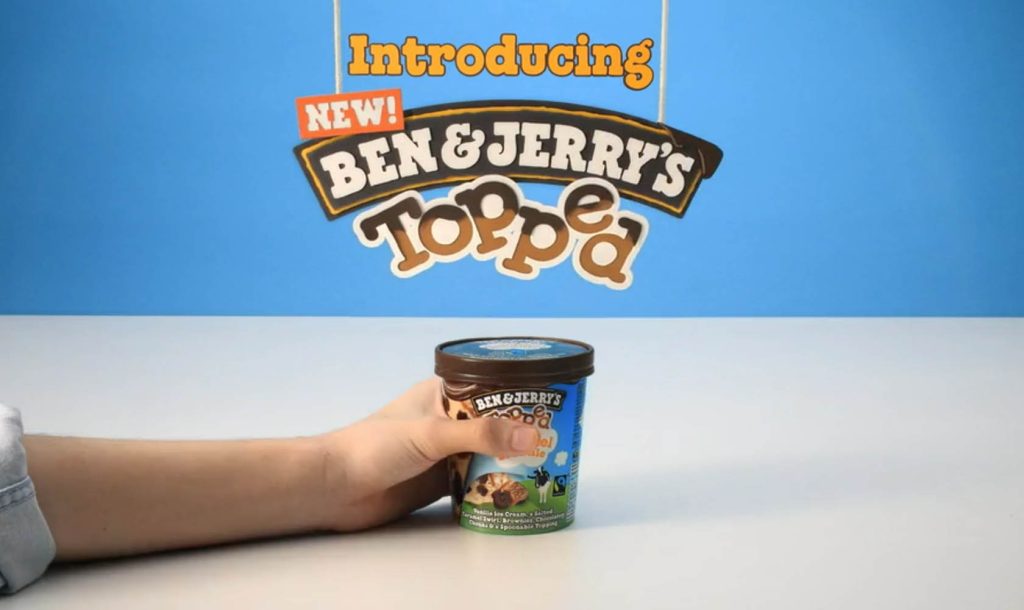
Identifiability causes most late‑stage rework because it hides in plain sight: end frames, supers, pack‑like framing, product names, and audio cues. Treat identifiability as a production variable, checked at storyboard and animatic, with a documented method so Legal can sign off faster.
Method: how we assess identifiability (practical, not legal)
- Single‑frame test: Could someone identify a specific product from one frame?
- End‑frame priority rule: End cards, supers and lockups are frequent culprits, review them first.
- Average consumer lens: Don’t assess as an expert; assess as a normal viewer.
- Audio counts: Names, slogans tied to a product, or recognisable variant cues can push you over the line.
- When in doubt: use CAP Copy Advice / clearance routes and document the outcome.
Identifiability checklist (copy/paste)
Red flags (common causes of failure):
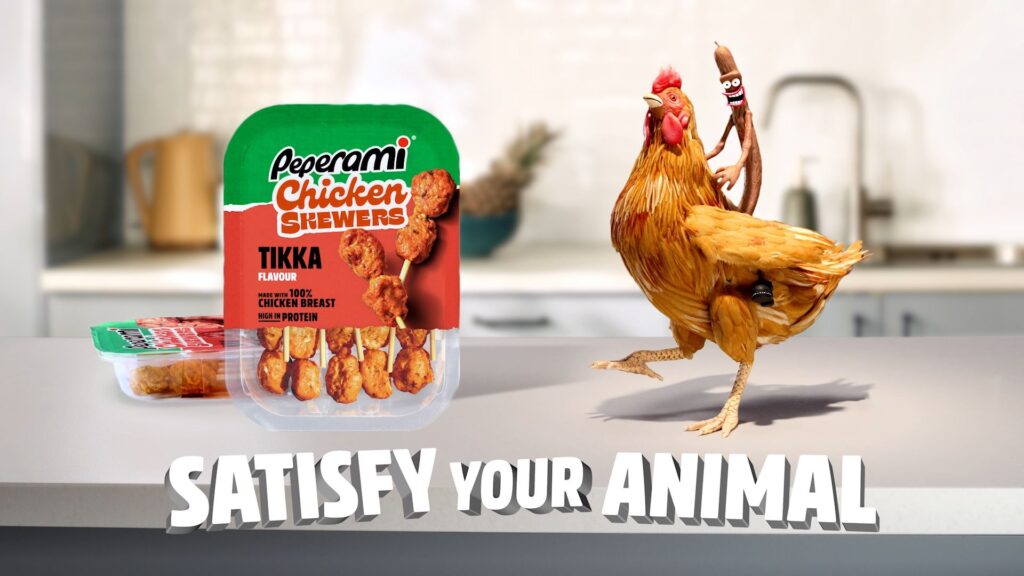
- Pack shots or pack‑like framing
- Product name call‑outs (on‑screen text, supers, VO, captions)
- Recognisable unwrapped features (shape/marks/design cues strongly tied to a SKU)
- Overly “readable” depiction that makes the product instantly recognisable
- End cards that rely on product visuals instead of brand assets
- “Accidental” product appearance in background props or set dressing
- Creator content that features the product while consideration is provided (fees/paid partnership)
Brand advertising that still performs (compliance ≠ watered‑down work)
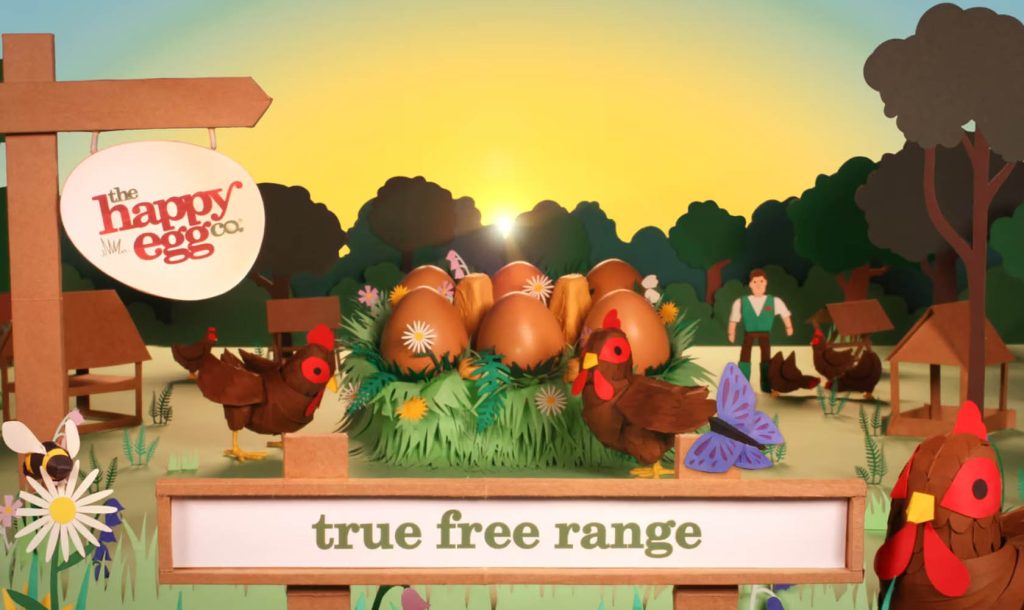
Brand advertising isn’t “product advertising with the product removed.” It’s a different job: build appetite for the brand using distinctive assets—world, character, motion language, sound, ritual, craft—while avoiding cues that make a specific LHF product identifiable. Done well, it can be more memorable than pack‑shot dependency.
Three practical creative routes that don’t need a pack shot
“The ad is the making”: Show process, craft, and tactile detail—desire without product depiction.
Mnemonic kit: Build a repeatable set of brand assets: motion logo, texture system, transitions, character behaviours, end‑card system.
Ingredient theatre (abstracted): Imply taste and ritual through motion, texture and pattern—without SKU‑coded cues.

Why controlled craft matters: stop‑motion as a compliance‑friendly approach
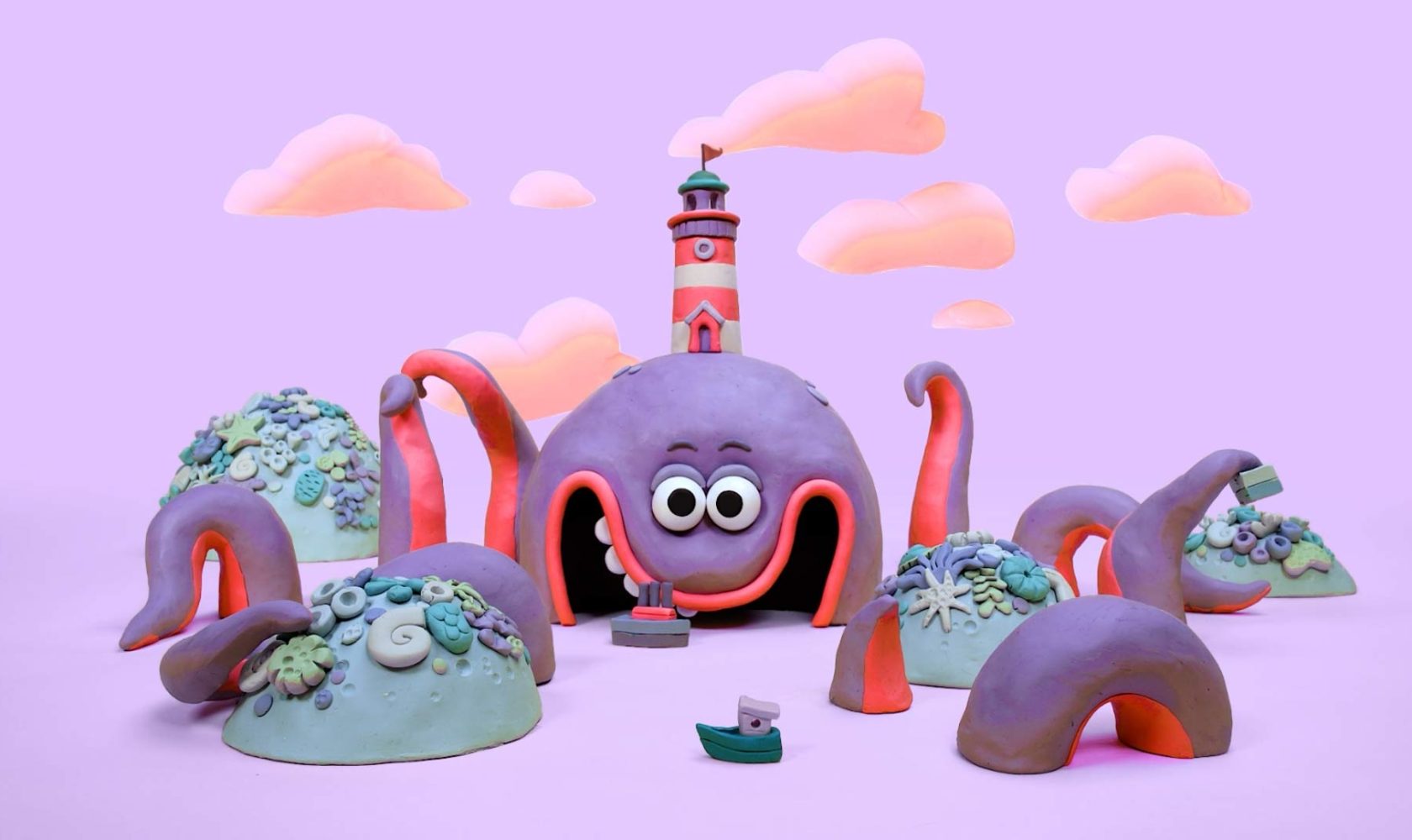
Stop‑motion doesn’t guarantee compliance. But it can make compliant brand advertising easier because you control every frame—how “readable” something is, what appears in end frames, and how modular versions are built. That control supports clean Cut A/Cut B separation and repeatable brand‑world assets that scale across formats.
Where stop‑motion helps most (operationally)
- Deliberate abstraction: reduce “instant recognisability” risk in Cut A
- Precise end‑frame design: brand‑safe lockups that don’t rely on product visuals
- Modular sets + inserts: product moments can live only in Cut B
- Loop‑first design: DOOH/retail loops built to run silently and repeatedly
Where it does not help (important trust line)
If you show pack shots, product names, or unmistakable SKU cues, the cut can still be identifiable. And if you pay to place an ad online and it depicts an identifiable restricted product, the style doesn’t change the placement rule.
Approach vs compliance/ops variables
| Approach | Cut A identifiability risk reduction | Modularity + brand assets | Best‑fit placements | Watch‑outs |
| Stop‑motion | Often | Often; strong brand assets | DOOH/retail loops, social, cinema | Can still be identifiable with SKU cues |
| Live action | Mixed | Mixed; moderate brand assets | TV/cinema/social | Photoreal product shots increase “readability” |
| CGI/3D | Often | Often; strong brand assets | Social/DOOH/TV | Drifts “too real” unless tightly art‑directed |
Checklist: how to brief stop‑motion for Cut A (brand‑safe)
- Define Cut A’s job as brand preference, not product persuasion
- Cut A ban list: pack shots, product names, variant/flavour call‑outs, SKU‑coded shapes/marks, product‑forward end frames
- Choose 3–5 lead brand assets (textures, motion language, character behaviours, sonic mnemonic, end‑card system)
- Decide what’s modular: product inserts live only in Cut B
- Tag every shot: Cut A safe / Cut B only / needs review
Build a brand world, not a one‑off ad
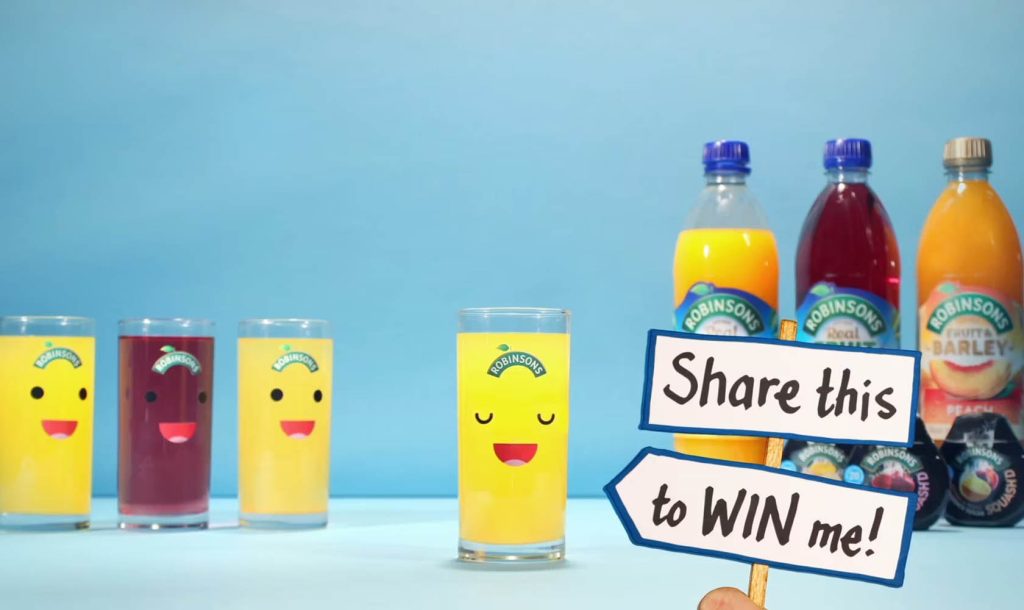
A “brand world” is a repeatable system of assets—textures, motion language, characters, sonic cues, supers and end cards—that communicates appetite without depicting an identifiable LHF product. Build it once, then scale across formats, ratios and durations without re‑inventing every campaign.
10 brand‑world devices that replace pack shots
- Texture/material cues (crunch, fizz, snap—through craft)
- Motion physics (timing and transitions that feel “owned”)
- Abstracted ingredient patterning (avoid variant coding)
- Character behaviours (brand personality without product handling)
- Ritual moments (serving, sharing, celebration—without depiction)
- Modular supers system (brand‑level, not SKU‑level)
- Brand‑safe end‑card system
- Loop‑first motifs (living posters)
- Seasonal reskins (same system, new dressing)
- BTS craft clips (credibility + amplification)
The two‑cut strategy: Cut A brand‑safe + Cut B product (with trafficking rules)
Implement a two‑cut strategy: Cut A is brand‑safe for paid online and pre‑9pm TV/ODPS; Cut B contains product persuasion for permitted contexts. Build modularly and deliver a trafficking rules sheet so Cut B never leaks into paid online by accident.
Deliverables map (example)
| Format | Specs (ratio + duration) | Version | Allowed placements (high level) | Approval owner |
| Social | 9:16 • 6s / 10s | Cut A | Paid online | Brand + Legal |
| Social | 1:1 • 6s / 10s | Cut A | Paid online | Brand + Legal |
| TV/ODPS | 16:9 • 15s / 20s | Cut A | Pre‑9pm | Clearance / Legal route |
| TV/ODPS | 16:9 • 15s / 20s | Cut B | Permitted contexts | Clearance / Legal route |
| DOOH loop | Various • 3–8s loop | Cut A | Venue policies | Brand + Media owner |
| End cards | Various • 2–3s | A/B | Controlled by placement | Brand + Producer |
Micro case study callouts (templates)
Multi‑format reach without version leakage
- Scenario: TV + ODPS + paid social, all‑day reach needed
- Risk: Product end‑frame makes Cut A identifiable; wrong cut trafficked to paid online
- What we built: Brand‑safe end‑card system + Cut A/B split + trafficking rules sheet
- Operational result: Fewer late‑stage amends; clearer approvals across stakeholders
Creator content without turning “organic” into paid placement
- Scenario: Always‑on creator programme + occasional boosts
- Risk: Consideration + boosting triggers paid placement risk
- What we built: Creator guardrails (no product depiction; no boosting/whitelisting), pre‑post review, monitoring runbook
DOOH/retail loop packs that scale
- Scenario: Seasonal retail screen takeover + DOOH burst
- Risk: Inconsistent ratios, missing silent variants, unclear usage rules
- What we built: Loop‑first asset system, reskin templates, delivery pack checklist + usage notes
What we’d do on Monday (always‑on remediation runbook)
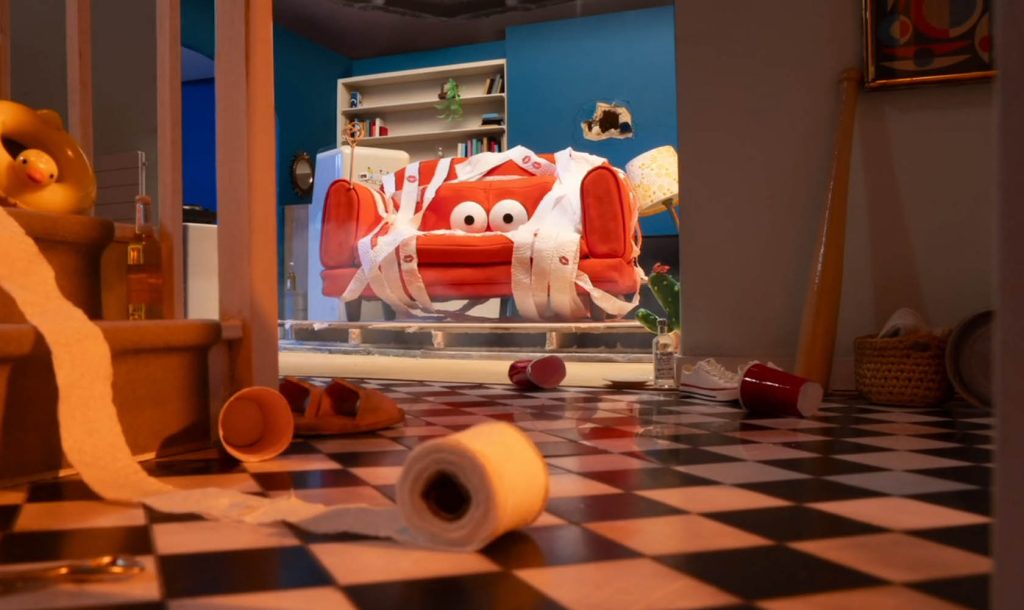
If you have legacy assets that can still be placed, you need a fast audit: inventory everything, classify brand‑only vs product‑depicting, run identifiability checks (end frames first), attach usage rules (“do not boost”), and recut into Cut A/Cut B where needed—then schedule periodic re‑checks.
Step‑by‑step (with owners + outputs)
- Inventory paid assets: Owner: Media / Creative Ops. Output: Asset register (file name, format, channel, spend status).
- Classify: Owner: Creative Ops + Producer. Brand‑only / Product‑depicting / Ambiguous.
- Identifiability check: Owner: Producer + Compliance/Legal. End frames, supers, audio, pack‑like shots.
- Attach usage rules: Owner: Media Ops. “Do not boost” flags, channel restrictions, approval owner.
- Recut modularly: Owner: Edit + Producer. Cut A brand‑safe, Cut B product (where permitted).
- Publish a trafficking rules sheet: Owner: Media Ops + Producer. One‑page “what can run where” rules.
Timebox guidance (typical ranges):
- Half‑day audit workshop (scope + asset inventory)
- 1–3 days to re‑version a small set of priority assets (varies by complexity)
Creators and influencers: treat it as a distribution risk
Creator work becomes a high‑risk distribution route when consideration is involved (fees, paid partnerships, and some gifting/affiliate arrangements). If paid activity depicts an identifiable LHF product, it may fall into paid‑for online placement restrictions. Build creator programmes around brand‑world storytelling and explicit “no product depiction” guardrails, plus approvals and monitoring.
Plain‑English contract and workflow guardrails
- No pack shots, product names, or recognisable unwrapped products.
- No boosting/whitelisting of posts that depict restricted products.
- Pre‑post review required for any brand partnership content.
- Approvals path: Brand → Compliance/Legal → Creator brief → Pre‑post review → Publish → Monitor.
Where budgets tend to go (and what to build for)
Many teams are shifting effort toward formats that reward distinctive brand assets and remain workable under new constraints—DOOH, retail screens, cinema, and owned/organic series. The planning rule: design deliverables format‑first (ratios, loops, silent variants, end cards) so your brand‑safe system scales without constant re‑editing.
DOOH: Living posters, process loops, character micro‑performances (check media owner policies).
Retail screens: Silent loop packs, seasonal reskins, screen takeover systems.
Cinema: Craft + sound, plus BTS as credibility and amplification.
Owned/organic: Series format designed to earn reach without paid amplification by default.
Make compliance a workflow, not an afterthought (clearance‑by‑design)
A workable compliance process is six stages: (1) placement‑first brief, (2) storyboard identifiability review, (3) animatic review + version map, (4) modular build plan + shot tagging, (5) edit version control + sign‑off gates, (6) delivery pack with trafficking rules. This reduces clearance delays and creates an audit trail Legal can trust.
What to document (audit trail checklist)
- Intended placements + dates
- LHF/product scope decision (and reference to guidance used)
- Version naming convention (Cut + placement tags + approval status)
- Sign‑off owners + dates
- Copy Advice / Clearcast reference where used
Download the Compliance‑Ready Creative Toolkit
The Toolkit packages the templates that make this workflow easy to adopt: placement matrix, identifiability checklist, two‑cut brief template, creator/boosting guardrails, deliverables map, and sign‑off gates. If you want tailored trafficking rules and an asset plan for your channel mix, book a 30‑minute Toolkit Audit as the next step.
Toolkit preview (what’s inside)
| Template | Who uses it | When | Prevents |
| Placement matrix | Brand / Media / Legal | Before briefing | Mis‑scoped placements |
| Identifiability checklist | Creative / Producer / Legal | Storyboard + animatic | Late‑stage rework |
| Two‑cut brief template | Creative Ops / Producer | Briefing | Cut confusion |
| Creator + boosting guardrails | Social / Legal / Creator managers | Before contracting | Consideration/boosting mistakes |
| Deliverables + ratios map | Producer / Post | Production planning | Missing versions |
| Sign‑off gates | Producer / Legal / Brand | Throughout | No audit trail |
FAQs
What does “paid‑for online placement” mean in practice?
It includes paying to place ads online (paid social, paid search, paid display) and can include paid creator marketing—so treat boosting and creator deals as distribution variables, not afterthoughts.
What is the 9pm watershed for TV and ODPS?
Ads for identifiable LHF products are restricted on TV and in ODPS between 05:30 and 21:00.
What makes a product “identifiable” if you don’t show the pack?
Identifiability can come from recognisable unwrapped shapes/marks, product names (text or audio), and end frames/supers that “spell it out.”
Can we still post product content organically?
Owned/organic content isn’t the same as paid placement—but if you boost/promote it, you can move into paid‑for online placement. Treat “do not boost” as a production deliverable.
What is the brand advertising exemption—and how can it fail?
Brand ads can be exempt, but they must not depict a specific identifiable LHF product. If the creative crosses into product depiction, the exemption can fail.
What should we change in creator contracts and approvals?
Add clear “no product depiction” guardrails, define approvals and pre‑post review, and prevent boosting/whitelisting where it would create paid placement risk.
References (primary sources first)
- ASA / CAP / BCAP: Regulatory statement and implementation notes for the less healthy food and drink ad restrictions. https://www.asa.org.uk/static/35791f5d-ab93-4742-98de2796f0f86aba/Less-healthy-foods-regulatory-statement.pdf
- UK: Less healthy food or drink advertising and promotions restrictions collection. https://www.gov.uk/government/collections/less-healthy-food-or-drink-advertising-and-promotions-restrictions
- UK: Products in scope guidance. https://www.gov.uk/government/publications/restricting-advertising-of-less-healthy-food-or-drink-on-tv-and-online-products-in-scope/restricting-advertising-of-less-healthy-food-or-drink-on-tv-and-online-products-in-scope
- Ofcom: ODPS scope guidance. https://www.ofcom.org.uk/siteassets/resources/documents/consultations/category-1-10-weeks/216813-on-demand-programme-services–who-needs-to-notify-to-ofcom/associated-documents/odps-scope-guidance.pdf
- UK: Brand advertising exemption consultation. https://www.gov.uk/government/consultations/brand-advertising-exemption-from-advertising-restrictions-for-less-healthy-food-or-drink
- IAB UK: Practical breakdown of the online ad ban and paid online formats. https://www.iabuk.com/news-article/less-healthy-food-and-drink-ad-ban-what-it-how-it-works