23rd July 2026
- Blog
By Dan Richards, Founder & Animation Director · Published 23/07/2026 · Last updated 23/07/2026.
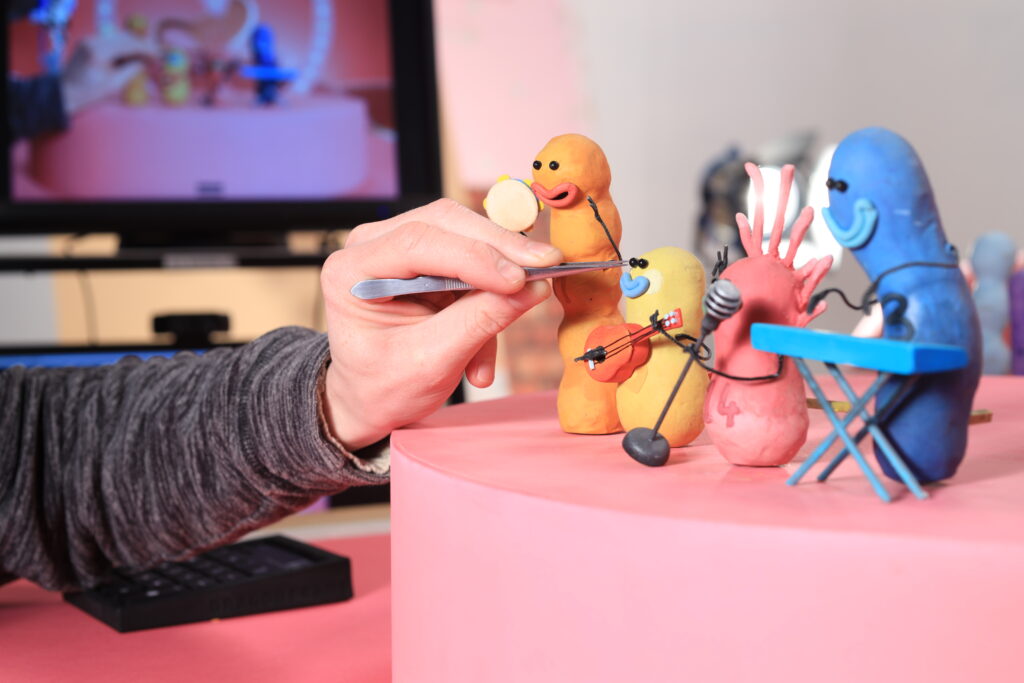
DIRECT ANSWER: Claymation is a stop-motion animation technique in which physical clay or plasticine figures are photographed frame by frame to create the illusion of movement. It differs from other stop-motion techniques in its defining material: figures and sets are sculpted and re-sculpted by hand between every shot. The term was trademarked by animator Will Vinton in 1978.
That is the whole of it. The history, the differences between techniques, the reasons brands keep coming back to it: all of it is detail layered on one simple idea. You build something real, move it a fraction, take a frame, and repeat. Twenty-five times for a single second of film. The rest of this guide unpacks where the technique came from, how it sits alongside other forms of stop-motion, and why it is having a commercial moment in 2026.
Who this is for: Brand marketers, creative directors, journalists, and anyone looking for a clear, accurate explanation of claymation animation.
What you’ll learn: The technique in one paragraph, its origins, how it differs from other animation styles, why brands use it, and famous examples, including commercial work by A+C Studios.
On this page
- The origins of claymation
- Is The Nightmare Before Christmas claymation?
- Why do brands use claymation animation?
- What are famous examples of claymation?
- Claymation at A+C Studios
- Three mistakes brands make when commissioning claymation
- Frequently asked questions about claymation
The origins of claymation
Claymation as a technique predates its name. Early clay animation experiments appeared in silent film from the 1900s; the craft matured through the mid-20th century and gained a dedicated vocabulary when Will Vinton trademarked “Claymation” in 1978. The UK has a strong parallel tradition in stop-motion from the late 1970s onwards.
Animators were modelling and re-modelling clay in front of a camera within a few years of cinema itself. Short clay-animated experiments surfaced in the silent era of the early 1900s, when the malleability of the material made it an obvious candidate for the painstaking frame-by-frame work that stop-motion demands. For decades the craft had no agreed name. It was simply clay, animated.
Who invented claymation?
The American animator Will Vinton, later the creator of the California Raisins and an Academy Award winner, produced a behind-the-scenes documentary, Claymation: Three-Dimensional Clay Animation, and trademarked the word he had coined to describe his studio’s work. The trademark was meant to distinguish his films from a growing field of imitators. Instead, the term escaped into common usage and became generic: today most people say “claymation” when they mean any clay-based stop-motion, whoever made it.
The UK developed its own deep tradition in stop-motion across the same period. British viewers grew up with clay on screen: Morph, the mischievous plasticine figure who first appeared alongside artist Tony Hart on the BBC in 1977, is one of the best-loved. From the late 1970s onwards, the country built a body of craft and a generation of model-makers, animators and directors that still defines its reputation for handcrafted work. That heritage is one reason a brand commissioning claymation in Britain today is buying into genuine, continuous expertise rather than a revival fad.
How does claymation differ from other stop-motion techniques?
Claymation differs from other stop-motion techniques primarily because of the material used for figures: clay or plasticine, sculpted and re-sculpted between frames. Puppet animation uses articulated, armature-based figures; papercraft animation uses cut or folded paper; tabletop animation arranges everyday objects. All are stop-motion, but each technique carries its own visual signature.
Claymation is one member of a wider family. The umbrella term is stop-motion: any technique that photographs physical objects one frame at a time, moving them incrementally so that, played back, they appear to move on their own. What separates the techniques is what you put in front of the lens.
| Technique | Defining material | Best for |
| Claymation | Clay or plasticine figures | Expressive character work; emotional warmth |
| Puppet animation | Articulated puppets with armatures | Detailed character performance; longer productions |
| Papercraft animation | Cut or folded paper elements | Graphic, stylised storytelling |
| Tabletop animation | Everyday objects arranged on a surface | Product demonstration; lifestyle |
Is The Nightmare Before Christmas claymation?
One common confusion: The Nightmare Before Christmas (1993) is often called claymation, but it is not. Its characters are built on armatured puppets with sculpted heads and swappable faces, which makes it puppet stop-motion rather than claymation. The distinction matters when you commission work: clay characters and armatured-puppet characters require different craft skills, different budgets, and produce different finishes.
Why do brands use claymation animation?
Brands use claymation because it delivers emotional warmth, handcrafted authenticity, and distinctiveness in a visually saturated media environment. Industry research from the IPA and System1 links character-led, emotional creative to higher brand recall and stronger long-term sales effects. The 2025/26 backlash against AI-generated holiday creative has renewed commercial demand for handmade techniques.
There are four reasons claymation keeps earning a place on brand briefs, and none of them is nostalgia.
- Emotional warmth and recall Handmade characters carry a warmth that audiences respond to and remember. Effectiveness research from the IPA has long shown that emotional, character-led advertising outperforms rational, feature-led work on long-term sales effects, and analysis from System1 consistently ties craft and character to higher emotional response scores. Claymation is one of the most direct ways to put a likeable character at the centre of a brand story.
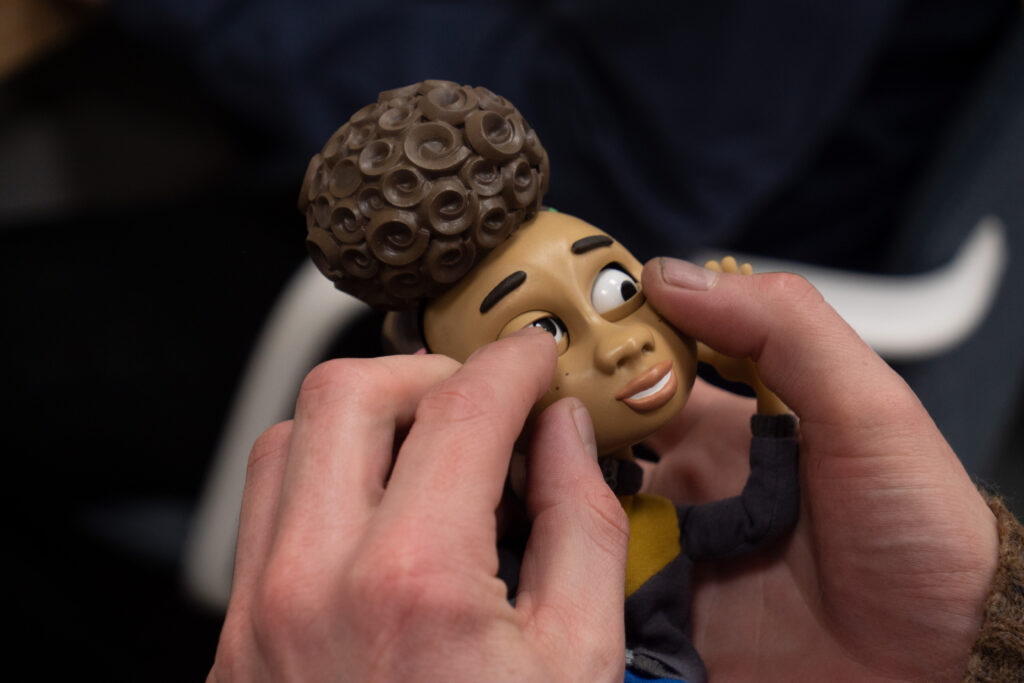
- Craft as a trust signal A clay figure obeys physics. It has weight, it catches light correctly, and it carries the small evidence of being handled: fingerprints, micro-jitter, surfaces that remember being touched. Those cues read, at a level audiences rarely articulate, as proof that something real existed in real space. We unpack this in detail in our guide to stop-motion vs AI video, but the short version is simple: craft is becoming a trust tool, not a style choice.
- Distinctiveness in a saturated feed Most digital content now looks the same: slick, fast, frictionless, increasingly machine-assisted. A handcrafted clay world is the opposite of that, and the contrast is the point. In a scroll environment where you have a few seconds of attention, looking tangibly different is a measurable advantage.
- The 2025/26 return to handmade This is the angle most guides miss. Over 2024–25, several major brands learned in public that AI-generated creative can become a liability. Coca-Cola replaced its much-loved stop-motion Christmas trucks with an AI recreation and met an immediate backlash. McDonald’s Netherlands pulled an AI holiday ad after roughly three days of “uncanny” and “creepy” comments. Then the correction came: for the 2025 holidays, Apple released A Critter Carol, a wholly handmade, puppet-and-practical-effects film, echoing its 2023 felt stop-motion spot Fuzzy Feelings. The pattern is clear: when the brief is high-stakes and audiences are watching, brands are choosing visible craft. Claymation sits squarely inside that shift.
In short: four reasons brands choose claymation
| Memorable | Character-led craft drives recall and long-term sales effects |
| Emotionally warm | Handmade figures connect in a way slick digital often cannot |
| Distinctive | Stands out in a feed crowded with sleek, machine-made content |
| Trusted | Signals the human craft audiences now actively seek out |
What are famous examples of claymation?
Famous claymation examples span entertainment and advertising. On the commercial side, clay and handcrafted stop-motion has featured in campaigns for brands such as Cadbury, PG Tips and Lurpak. In entertainment, long-running clay characters and feature films have made the technique a cultural fixture. A+C Studios has produced commercial claymation for brands such as Yeo Valley and AXA, and handcrafted stop-motion for clients including Nike and the BBC.
Claymation’s cultural footprint is large, but the most useful examples for a brand team are commercial ones: work made to sell, on a schedule, to a brief. Here is a selection from our own studio, alongside well-known brand-commissioned work.
Is Wallace and Gromit claymation?
Wallace and Gromit is claymation. The characters have been built from plasticine since 1986, and their films, including A Close Shave (1995 Academy Award) and The Wrong Trousers, are among the most celebrated claymation in film history. Nick Park, who directed the original shorts, remains one of the most decorated claymation directors in the world.
A+C Studios: claymation and handcrafted stop-motion
Yeo Valley: Handcrafted claymation built around character and the brand’s natural, made-by-hand values.
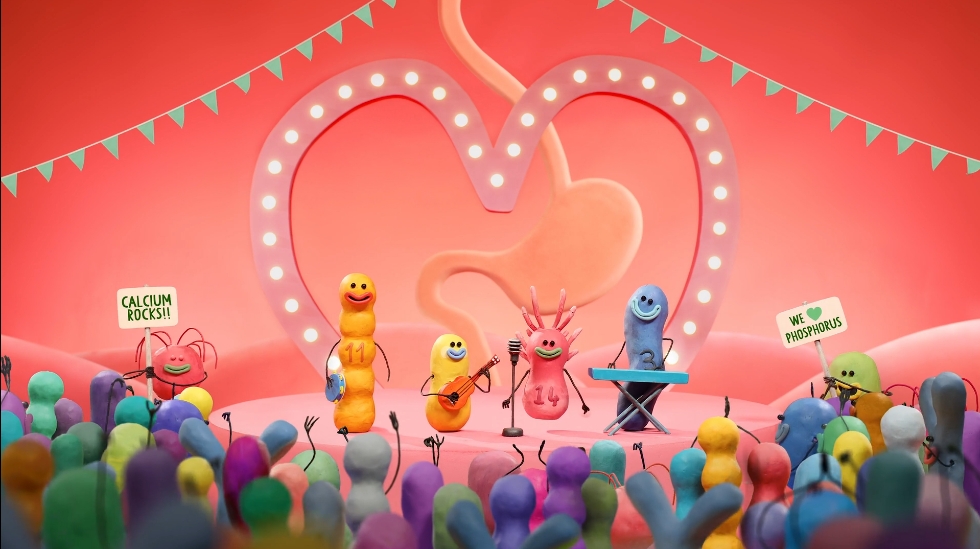
AXA Insurance: Commercial claymation translating a considered, reassuring brand message into warm, tactile character work.
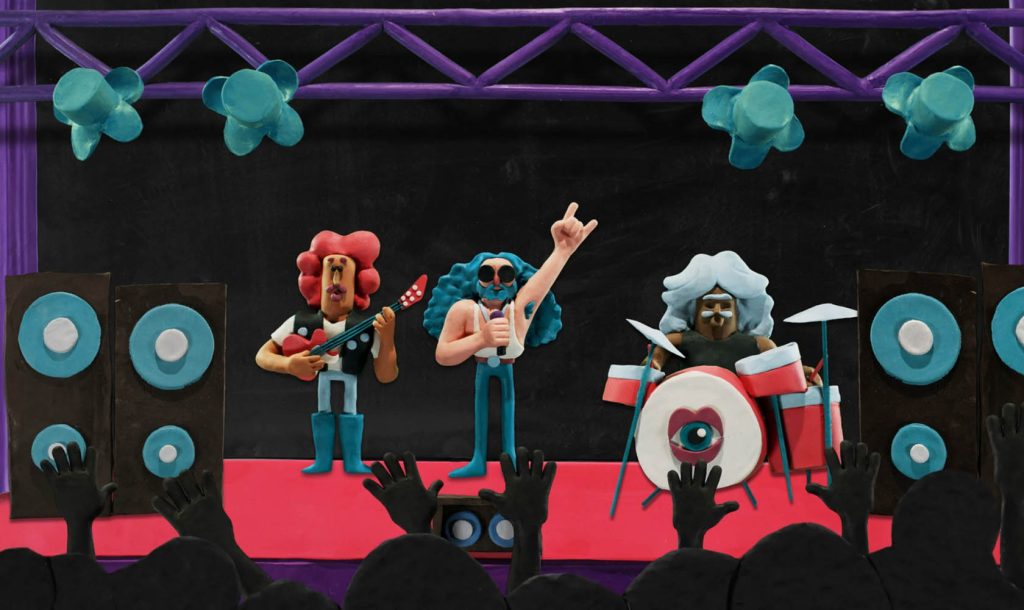
Nike (Erling Haaland): A football spot using handcrafted stop-motion to give a global sports brand a distinctive, characterful finish.
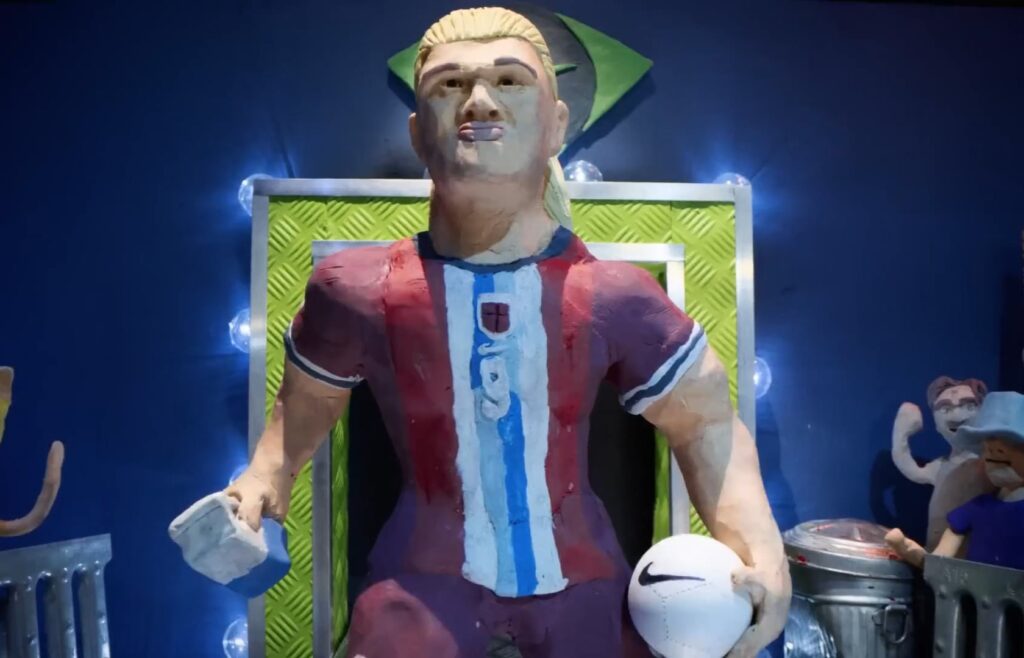
Havas / Redefine Haemophilia: A healthcare campaign using handcrafted animation to handle a sensitive subject with warmth and clarity.
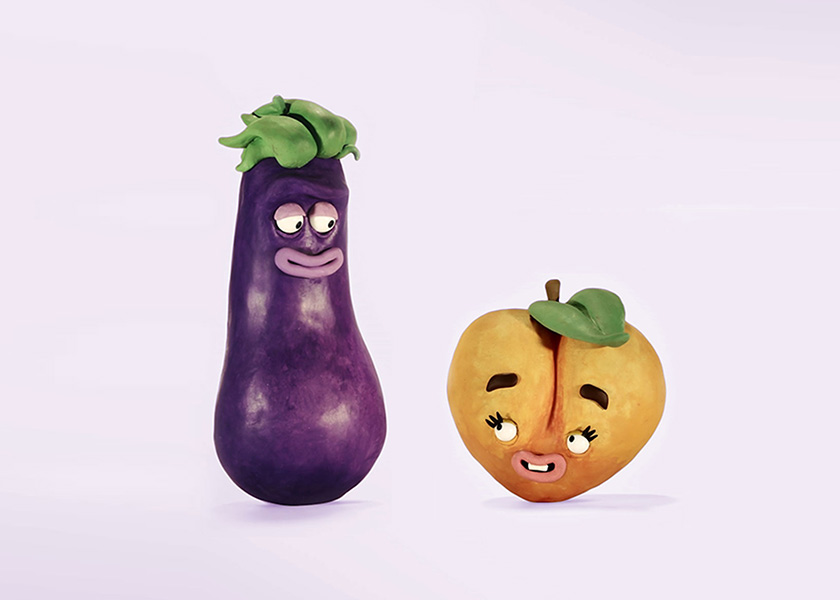
Brand-commissioned cultural touchstones
Beyond our own work, clay and handcrafted stop-motion has a long advertising heritage. UK audiences will recognise it from brand campaigns for Cadbury, PG Tips and Lurpak among others, proof that the technique has been selling products, not just entertaining audiences, for decades.
For a full list of famous claymation characters, see our guide here.
Claymation at A+C Studios
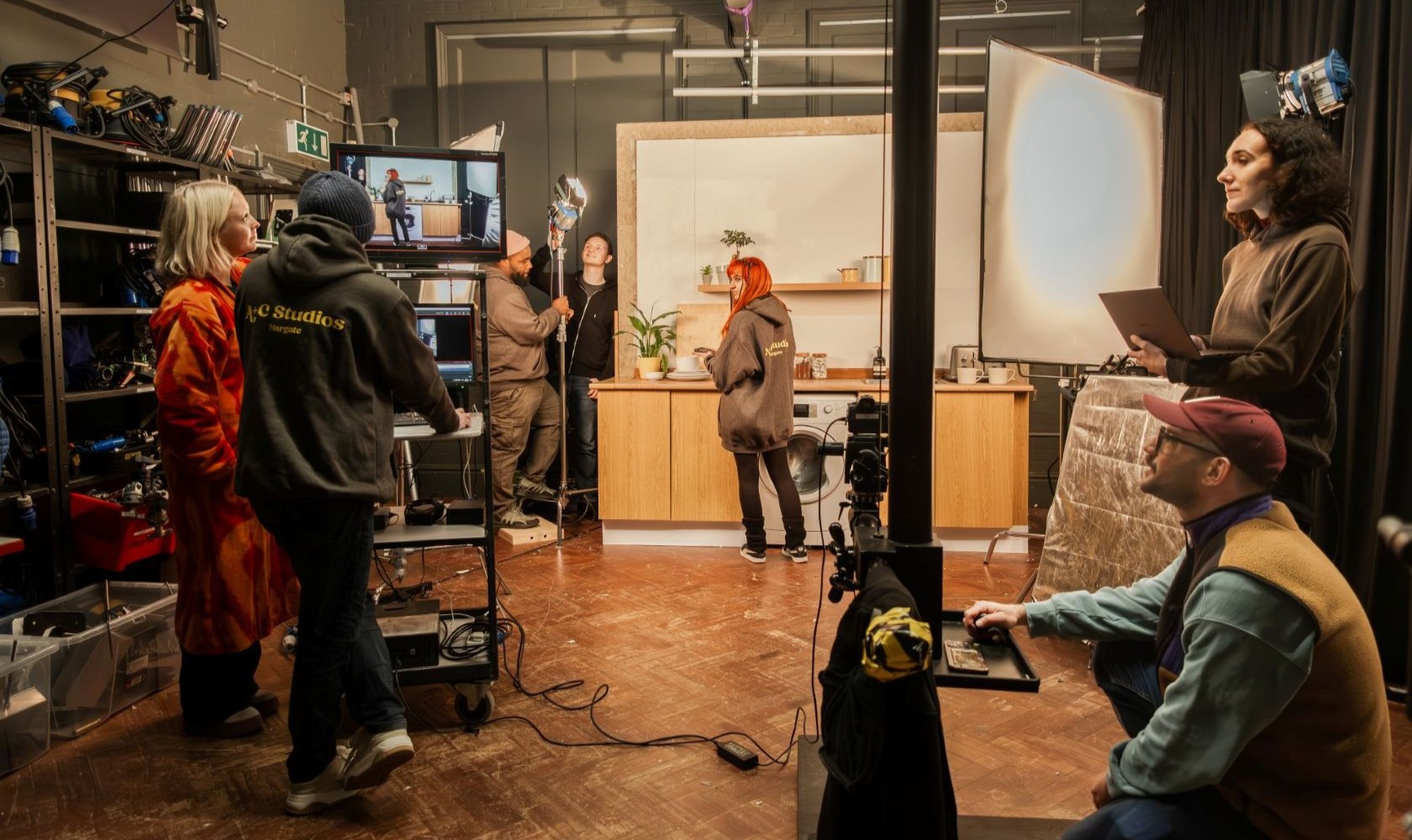
A+C Studios is a UK-based stop-motion and claymation animation studio with production facilities in Margate and a London office. We have produced claymation for brands such as Yeo Valley and AXA, and handcrafted stop-motion for clients including Nike, the BBC and LEGO.
We are a specialist studio, not a generalist that lists claymation among forty other services. Everything happens in-house: concept, character design, model-making, shoot and post, at Postgate Stage, our purpose-built stop-motion studio in Margate, 90 minutes from London. If you are scoping a project and want to see how the technique fits your brief, our claymation animation services page is the place to start, and you can also read more about us as a stop-motion animation studio.
→ See our claymation animation services
Three mistakes brands make when commissioning claymation
Claymation rewards brands that respect the craft. If you are weighing it up, our guide to how hard is it to do claymation is a useful primer on what the process actually demands. Here are the three mistakes we see most often.
- Confusing claymation with generic “stop-motion” and commissioning the wrong discipline. A clay character and an armatured puppet are built by different specialists, to different budgets, with different finishes, so define which one you actually want.
- Treating claymation as a cost-reduction choice. It is not typically cheaper than CGI. The commercial case for it is effectiveness and trust, not budget.
- Rushing pre-production. Character design, armature and set build are where the craft lives; a compressed schedule shows on screen. Protect the build time and the work pays you back.